







eshefinance.net

COMMERCIAL FINANCING

FOR YOUR SMALL BUSINESS

Fast Fundng

Finance upwards of $25 million

Terms up to 30 years

Get Started Today And Speak With an Advisor

Please enable JavaScript in your browser to complete this form.
Terms of Service

WHAT IS A COMMERCIAL REAL ESTATE

Commercial real estate is property intended for business use. This includes office buildings, retail locations, warehouses, and industrial facilities. Commercial real estate transactions involve buying, selling, or leasing these properties to support business activities.


SIMPLE APPLICATION

Our simple 15-second online application can get you matched with offers in minutes.

UP TO $25 MILLION

Get matched with the best financing options with the highest funding amounts.

650 + FICO

Bad credit? No problem! Most of our top financing options have a minimum of just 650 FICO.


TERM UP TO 30 YEARS

ESHE provides a wide variety of terms with 30 year terms available on certain products.

WHAT DO YOU NEED TO QUALIFY

Down Payment Requirements

All CRE products require a minimum of 20% equity investment (cash or equity in property already owned).

Minimum Property Value

All commercial real estate loans have a minimum property value of $250,000, regardless of property type.

Additional Considerations

Lease agreements, contingencies, and legal representation are key to successful real estate transactions.

WHY ESHE FINANCIAL?

Stellar Reputation

Backed by thousands of 5-star ​reviews, our business financing ​experts will work with you​ to solve your business challeng​es.

Technology- Fisrt Control

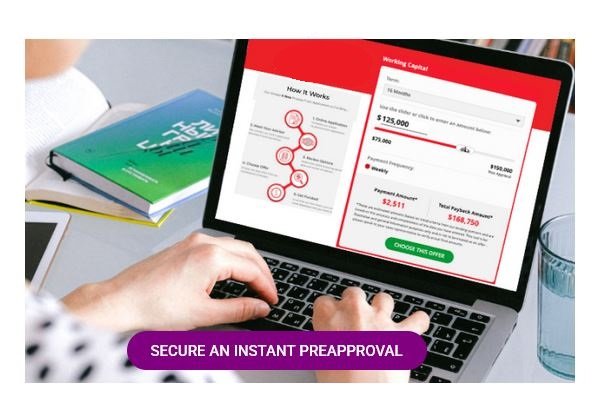
ESHE Intelligence uses AI to ​streamline the funding process. ​Get an instant pre-approval an​d flexible loan options that fi​t your business needs.

Multi Options

Choose an offer that makes the ​most sense for you and your ​business. Compare offer terms ​and choose what works best.

Zero Suprises

ESHE's offer calculator takes the ​guesswork out of busines​s financing. It provides full ​transparency on terms. ​One fee, no​ surprises.

ESHE Intelligence – our winning combination of quick delivery and excellent customer care. Getting started is easy.
 

STEP 1: APPLY ONLINE

Secure an instant pre-approval. Our application ​process is straightforward and can be ​completed in seconds.

STEP 2: REVIEW OPTIONS

Your personal loan advisor will discuss finance ​options available with you for your business.

STEP 3: RECIEVE YOUR FUNDS

Finish the online application process and ​receive your funds in as little as 24 hours.

Resources & Frequently Asked Questions

Commercial real estate provides space and facilities for businesses to operate. There are many facets of the industry, serving different purposes, and it’s important to understand how each segment functions.

Perhaps you need to upgrade your manufacturing facility to boost production. Maybe a prime retail location would elevate your brand’s presence. Or, you might seek income-generating properties to diversify your portfolio. Commercial real estate could be the solution.

What Is Commercial Real Estate?

Commercial real estate is property intended for business use. This includes office buildings, retail locations, warehouses, industrial facilities, and even raw land for development. Commercial real estate transactions involve buying, selling, or leasing these properties to support business activities.

Understanding the different types of commercial real estate is key:

  • Office Space: From single offices to multi-tenant buildings, tailored to various business needs.
  • Retail: Storefronts, shopping centers, restaurants – spaces designed for customer interaction.
  • Industrial: Warehousing, manufacturing, and distribution centers that power production and logistics.
  • Multifamily: Apartment buildings, residential complexes offering rental income opportunities.
  • Land: Undeveloped land for potential construction or investment purposes.

Commercial real estate is a complex market. Working with knowledgeable brokers and advisors is essential to navigate leases, purchases, valuations, and the many factors influencing successful commercial real estate transactions.

Requirements for Commercial Real Estate Transactions

Financial Strength Lenders and sellers want assurance that you have the financial capacity to handle the transaction. This includes:

  • Credit Scores: Your personal credit history (and that of any business partners) impacts your eligibility and financing terms. Review your credit reports ahead of time to address potential issues.
  • Business Financials: Income statements, balance sheets, and cash flow projections demonstrate your business’s health and ability to manage debt or lease payments.
  • Down Payment or Deposit: Most commercial real estate transactions require a significant down payment or earnest money deposit. Be prepared to show proof of available funds.

    Property Documentation Thorough due diligence is crucial. Expect to provide or receive:

  • Appraisal: An independent assessment of the property’s fair market value is essential for financing and fair pricing.
  • Environmental Reports: These identify potential contamination or environmental hazards that could impact the property’s value or use.
  • Title Search: Ensures clear ownership and identifies any liens or encumbrances on the property.
  • Zoning and Permitting: Verify that the property’s current and intended use aligns with local zoning regulations and that any necessary permits are in place.

Additional Considerations

  • Lease Agreements: For leasing transactions, review lease terms carefully, including rent, term length, renewal options, and responsibilities for maintenance and repairs.
  • Contingencies: Contracts often include contingencies for financing, inspections, or other conditions that must be met for the deal to close.
  • Legal Representation: It’s wise to have an experienced real estate attorney review all documentation and advise you throughout the process.

Benefits of Investing in Commercial Real Estate

Considering investing in commercial real estate? Whether seeking rental income, business expansion, or portfolio diversification, this asset class offers unique advantages. Here’s why commercial real estate could elevate your financial strategy:

  • Potential for Income Generation: Commercial properties leased to tenants can provide steady cash flow through rental income. This passive income stream can offer stability and potential for long-term growth.
  • Appreciation: As with any real estate, well-chosen commercial properties hold the potential for appreciation in value over time. This can lead to significant capital gains when you decide to sell.
  • Hedge Against Inflation: Commercial real estate leases often include adjustments tied to inflation, providing a measure of protection against rising costs.
  • Tax Advantages: Depreciation and other potential deductions can offer tax benefits for commercial real estate investors.

The type of commercial real estate investment will shape the specific benefits:

  • Multifamily Properties: Rental income and appreciation potential in a sector with strong demand.
  • Retail Spaces: Income generation with the added potential for value appreciation based on location and tenant mix.
  • Office Buildings: Varied tenant base, potential for longer-term leases, and opportunities for value-add improvements.
  • Industrial Properties: Stable income aligned with critical supply chain and logistics needs.

Important Note: Successful commercial real estate investment requires careful market analysis, property selection, and due diligence. Partnering with experienced real estate professionals is crucial to maximize your returns and mitigate risks.

Steps to Obtaining a Commercial Real Estate Loan

1. Prepare Your Financial Documentation

Lenders thoroughly assess a borrower’s financial capacity before approving commercial real estate financing. Gather these key documents:

  • Personal and Business Credit Reports: Demonstrate your creditworthiness and repayment history.
  • Financial Statements: Business income/expenses, profit/loss statements, and balance sheets.
  • Tax Returns: Provide a historical view of your income and financial health.
  • Appraisal (if available): An independent valuation of the property you intend to purchase.
  • Proof of Funds for Down Payment: Cash reserves, bank statements, or investment accounts.

2. Understand Commercial Loan Options

The right financing structure depends on your project and financial profile:

  • SBA Loans (504 and 7a): Government-backed loans with favorable terms, often used for owner-occupied properties.
  • Bridge Loans: Short-term financing for quick closings or property transitions.
  • Mezzanine Financing: Combines debt and equity, often used to supplement a primary loan.
  • Construction Loans: Specialized financing for ground-up development projects.

3. Engage a Commercial Finance Broker

  • Access to Lenders: They have relationships with a wide range of banks and financing sources.
  • Loan Matching: Help you find the loan structure and terms that best fit your needs.
  • Negotiation Expertise: Advocate for competitive rates and favorable deal points.
  • Application Support: Assist with documentation and streamline the underwriting process.

4. Apply and Secure Financing

Once you’ve selected a lender and loan product:

  • Formal Application: Provide detailed financial information and property specifics.
  • Underwriting: Lenders assess your credit, income, the property value, and project feasibility.
  • Loan Approval: Upon approval, you’ll receive a loan commitment outlining terms.
  • Closing: Finalize documentation and receive your commercial real estate loan proceeds.
Scroll to Top